


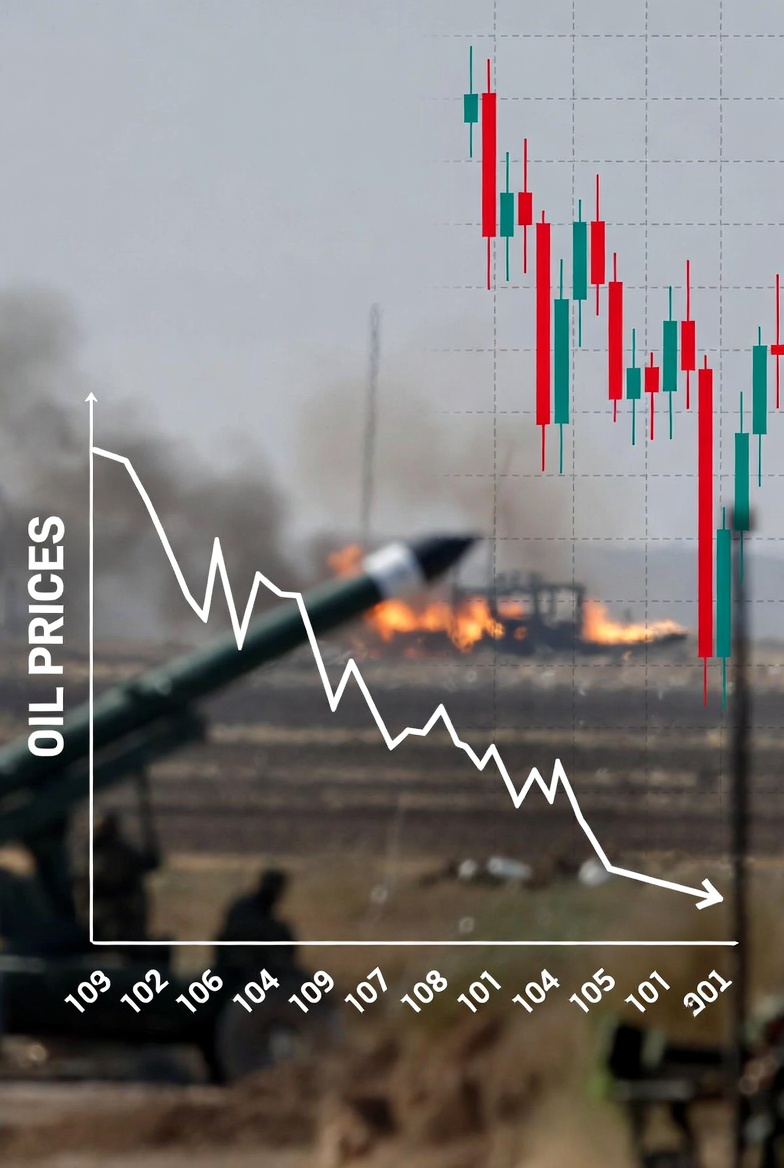

The US dollar strengthened sharply on Monday, March 2, 2026, reaching multi-week highs as escalating military conflict in the Middle East—sparked by US and Israeli strikes on Iran—drove investors toward safe-haven assets and pushed oil prices higher. The surge in the US Dollar Index (DXY), combined with a notable drop in the euro and other major currencies, reflects classic flight-to-safety behavior amid fears of prolonged disruption to global energy supplies.
This article breaks down the key drivers, currency movements, oil market reactions, and broader economic implications of the dollar’s rally in the wake of the Iran war escalation.
Why the US Dollar Is Strengthening: Safe-Haven Flows Meet Oil Shock
Geopolitical uncertainty remains the dominant force in currency markets. The joint US-Israeli air campaign against Iran, which began in late February and reportedly resulted in the death of Supreme Leader Ayatollah Ali Khamenei, has widened with Iranian retaliatory missile and drone strikes on regional targets, including Gulf states and shipping lanes.
- Safe-haven demand for the dollar intensified as investors sought refuge from riskier assets. The US dollar’s status as the world’s primary reserve currency, backed by deep liquidity and perceived stability, makes it a go-to during crises.
- Higher oil prices amplified the effect. Brent crude surged as much as 13% intraday, trading around $78–$80 per barrel (up 7–9% on the day in various reports), driven by disruptions in the Strait of Hormuz—a chokepoint for roughly 20% of global seaborne oil. Tanker traffic halted or slowed sharply, raising fears of sustained supply constraints.
Analysts note that the US, as a net oil exporter since around 2019, is relatively insulated from energy price spikes. In contrast, major importers like the Eurozone, Japan, and China face higher inflation risks and economic pressure, weakening their currencies against the dollar.
Barclays and Commerzbank estimates suggest the dollar could gain 0.5–1% for every 10% rise in oil prices, with the current escalation creating favorable conditions for further USD strength.
Key Currency Movements on March 2, 2026
- US Dollar Index (DXY): Climbed about 1.15% to around 98.68, marking its highest level since late January 2026. The index hit intraday peaks near 98.57–98.70, reflecting broad dollar gains even against traditional safe havens like the Swiss franc and yen.
- EUR/USD: Fell 1.2–1.6% to levels near 1.1676–1.1686, its weakest since January. The euro suffered as Europe grapples with elevated energy import costs and potential stagflation risks.
- USD/JPY: Rose ~0.69% to 157.13, pressuring the yen amid Japan’s heavy reliance on imported oil and gas.
- USD/CHF: The Swiss franc showed initial strength but faced intervention signals from the Swiss National Bank (SNB), which indicated readiness to act against excessive appreciation. The pair traded near multi-year highs before some consolidation.
- Other pairs: The Australian dollar (AUD/USD) dropped sharply before paring losses; the Chinese yuan weakened slightly as China, a major buyer of Iranian oil, faces supply uncertainties.
These moves highlight how energy-dependent economies are bearing the brunt, while the US benefits from both safe-haven inflows and energy revenue advantages.
Oil Market Reaction: Brent Crude Spikes on Hormuz Disruption Fears
Oil benchmarks reacted aggressively:
- Brent crude futures rose 6–9% (with peaks up to 13%), settling in the high $70s to low $80s per barrel—levels not seen consistently since earlier highs in 2025.
- WTI crude gained similarly, trading around $70–$73.
The Strait of Hormuz remains the flashpoint: Even partial disruptions could keep prices elevated for weeks. Analysts warn of $100+ per barrel in prolonged scenarios, though OPEC+ signals of potential output increases offer limited offset due to export route constraints.
Higher energy costs feed into global inflation, reducing expectations for near-term rate cuts from the ECB, Bank of Japan, and others—further supporting the dollar via higher-for-longer interest rate differentials.
Broader Economic Impacts and What to Watch Next
The dollar’s rally adds pressure to already fragile post-pandemic recoveries:
- Energy importers (Eurozone, Japan, parts of Asia) face stagflation risks from sustained high oil.
- Central banks are recalibrating: Fed rate-cut bets for late 2026 diminished; ECB easing expectations dropped sharply.
- Global ripple effects include stock market volatility, gold rallies (another safe haven), and potential supply-chain strains.
Markets are monitoring:
- Shipping data through the Strait of Hormuz.
- Any signs of de-escalation or regime developments in Iran.
- Central bank statements on inflation and intervention.
If the conflict drags on without major supply destruction, the dollar rally could moderate. However, tail risks of broader disruption keep upside potential alive for USD strength.
In summary, the US dollar surge on March 2, 2026, stems from a powerful combination of geopolitical safe-haven demand and an oil-driven inflationary shock—positioning the greenback as a clear beneficiary in the early stages of the escalating Iran conflict.
 WORLDNABD
Global Geopolitical Analysis Platform
 The World’s Pulse
 www.worldnabd.com